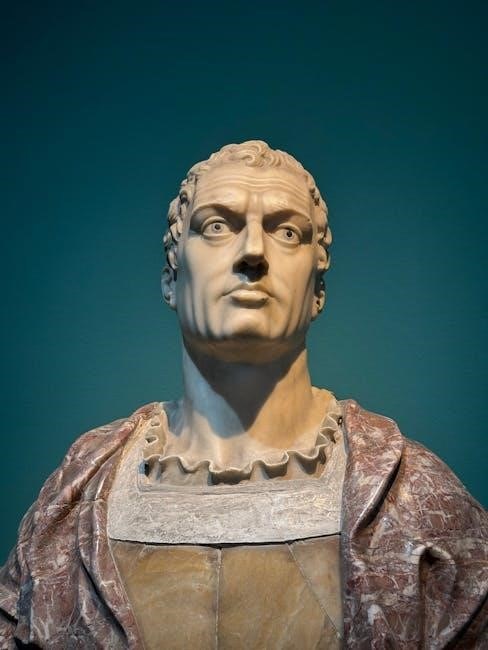
Seneca’s “On the Shortness of Life” (De Brevitate Vitae) ⸺ An Overview
Seneca’s treatise‚ often available as a PDF‚ explores how people mismanage their time‚ not that life is inherently brief. It delves into the Roman philosopher’s core ideas.
Historical Context of Seneca
Lucius Annaeus Seneca‚ born around 4 BC in Corduba (modern-day Spain)‚ lived during a tumultuous period in Roman history. The early years of the Roman Empire‚ transitioning from Republic to Imperial rule‚ were marked by political intrigue‚ shifting power dynamics‚ and social unrest – a backdrop profoundly influencing his philosophical outlook. He received a rigorous education in rhetoric and philosophy in Rome‚ preparing him for a life of public service.
Seneca’s life coincided with the reigns of emperors like Tiberius‚ Caligula‚ Claudius‚ and notably‚ Nero. He navigated the treacherous waters of the Roman court‚ serving as a tutor and advisor to Nero‚ a position that ultimately led to his forced suicide in AD 65. This era was characterized by both immense wealth and widespread corruption‚ prompting Seneca to reflect on the true values of life and the proper way to live amidst such decadence. The availability of his work‚ including the “De Brevitate Vitae” as a PDF today‚ allows modern readers to access his insights into these historical conditions.
The Seneca people‚ descendants of those allied with the British during the American Revolution‚ settled near Brantford‚ Ontario‚ Canada‚ offering a contrasting historical context‚ yet highlighting themes of displacement and resilience – themes that resonate with Seneca’s own philosophical explorations of adversity.
Seneca’s Life and Philosophical Background
Lucius Annaeus Seneca the Younger was a prominent figure in Roman society – a statesman‚ dramatist‚ and‚ most significantly‚ a Stoic philosopher. His philosophical journey began with studies in rhetoric‚ but he gravitated towards Stoicism‚ a school of thought emphasizing virtue‚ reason‚ and living in accordance with nature. He wasn’t merely a theoretical philosopher; he actively engaged in public life‚ serving as a senator and advisor to Emperor Nero.
Seneca’s Stoicism was deeply influenced by earlier Stoics like Zeno‚ Epictetus‚ and Chrysippus‚ but he adapted and refined these ideas‚ making them accessible to a wider Roman audience. His writings‚ including “De Brevitate Vitae”‚ readily available as a PDF‚ demonstrate a practical application of Stoic principles to everyday life. He believed that external circumstances held little power over one’s happiness‚ and true fulfillment came from cultivating inner virtue.
Despite his philosophical convictions‚ Seneca’s life was marked by contradictions. He amassed considerable wealth while advocating simplicity‚ and served a tyrannical emperor while championing justice. These complexities add depth to his work‚ prompting ongoing debate and interpretation. His legacy continues to inspire‚ offering timeless wisdom on navigating life’s challenges.
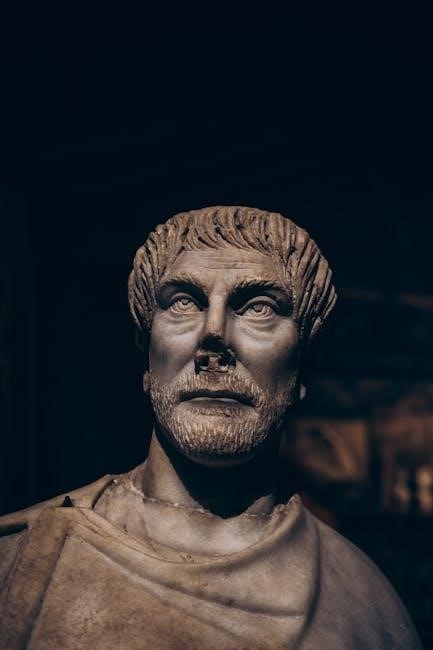
Understanding the “De Brevitate Vitae” PDF
Seneca’s “De Brevitate Vitae” PDF offers accessible Stoic wisdom. Numerous editions exist‚ translating his Latin text for modern readers‚ exploring themes of time and mortality.
Availability and Different Editions of the PDF
Seneca’s “De Brevitate Vitae” is widely accessible in PDF format through various online sources. Project Gutenberg offers a free digital version‚ ensuring broad access to this classic text. Many websites dedicated to Stoic philosophy also host downloadable PDF copies‚ often accompanied by introductory materials and contextual essays.
Different editions vary primarily in their translations. The most common English translations are by W. Rhys Roberts and E.P; Dutton‚ each offering slightly different interpretations of Seneca’s Latin prose. Some editions include extensive notes and commentaries‚ providing deeper insights into the philosophical arguments presented. Others prioritize readability‚ aiming for a more accessible rendering of the text for a general audience.
Furthermore‚ some PDF versions are formatted for specific devices‚ such as e-readers‚ while others are designed for printing. Digital libraries and academic databases frequently provide access to scholarly editions‚ often including the original Latin text alongside the English translation. Choosing an edition depends on individual preferences and the level of scholarly engagement desired. The availability of multiple PDF versions allows readers to compare translations and find the one that best suits their needs.
Key Themes Explored in the Text
Seneca’s “De Brevitate Vitae”‚ readily available as a PDF‚ centers on the illusion of time’s scarcity. He argues that life isn’t short‚ but rather‚ we waste it through procrastination‚ anxiety about the future‚ and dwelling on the past. A core theme is the distinction between merely living and truly living – prioritizing quality over quantity of experience.
The text heavily criticizes superficial engagements and the pursuit of trivial pleasures‚ highlighting how these distract us from meaningful pursuits. Seneca emphasizes the importance of virtue and wisdom as the only true goods‚ advocating for a life lived in accordance with nature and reason. He challenges readers to confront their mortality and recognize the present moment’s value.
Another key theme is the Stoic acceptance of fate. Seneca doesn’t advocate for avoiding hardship‚ but rather for facing it with courage and equanimity. The PDF reveals his belief that external circumstances hold no power over inner peace‚ which is achieved through self-control and rational thought. Ultimately‚ the work is a call to mindful living and a rejection of wasted time.
Seneca’s Stoic Philosophy in the Work
The “De Brevitate Vitae” PDF is deeply rooted in Stoic principles‚ showcasing Seneca’s adaptation of Zeno‚ Epictetus‚ and Chrysippus’ teachings. Central to his argument is the Stoic dichotomy of control – focusing solely on what lies within our power: our thoughts and actions. External factors‚ like wealth‚ health‚ or reputation‚ are deemed indifferent and shouldn’t dictate our happiness.
Seneca advocates for living in accordance with nature‚ meaning aligning oneself with reason and virtue. He stresses the importance of accepting fate with tranquility‚ recognizing that everything happens for a reason within the cosmic order. The text emphasizes self-sufficiency and inner resilience‚ urging readers to find contentment independent of external circumstances.
Furthermore‚ the PDF demonstrates Stoic emphasis on self-reflection and continuous moral improvement. Seneca encourages examining one’s life daily‚ identifying areas for growth‚ and striving for wisdom. This pursuit of virtue‚ rather than pleasure‚ is presented as the key to a fulfilling and meaningful existence‚ despite life’s inherent brevity.
Analyzing Seneca’s Arguments
Seneca’s “De Brevitate Vitae” PDF dissects how we perceive and utilize time‚ arguing it’s not a lack of years‚ but a lack of living fully that shortens life.
The Waste of Time: Focusing on the Past and Future
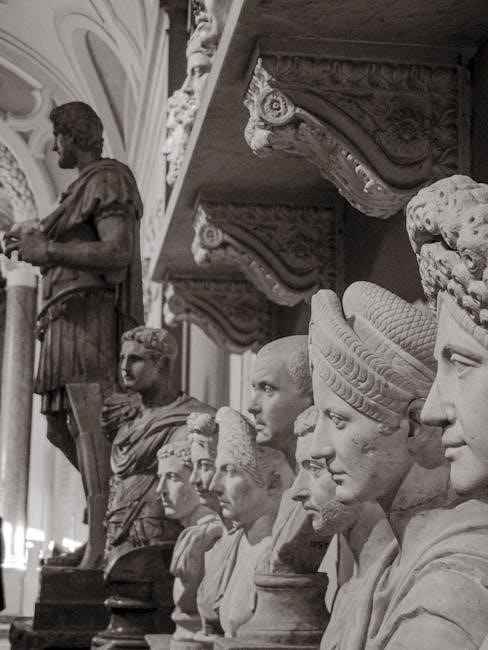
Seneca’s “De Brevitate Vitae”‚ readily accessible as a PDF‚ powerfully argues that most individuals don’t actually experience a short life‚ but rather waste it. A significant portion of this waste‚ he contends‚ stems from an obsessive preoccupation with things outside of the present moment.
He criticizes the tendency to dwell excessively on past regrets‚ replaying errors and misfortunes without learning from them. This rumination‚ he believes‚ steals valuable time and energy that could be directed towards virtuous action. Similarly‚ Seneca condemns the anxiety and anticipation surrounding future events.
Constantly worrying about what might happen prevents us from fully engaging with and appreciating the present. This future-oriented mindset creates a perpetual state of unease and postpones genuine living. The PDF emphasizes that life is diminished not by its length‚ but by the amount of it consumed by anxieties about yesterday and tomorrow‚ leaving little room for today’s potential.
The Illusion of Busyness and Superficial Activities
Seneca’s “De Brevitate Vitae”‚ often found as a convenient PDF download‚ sharply critiques the pervasive human tendency to equate activity with accomplishment and to fill life with superficial pursuits. He argues that many are “busy” but not truly productive‚ mistaking frantic motion for meaningful progress.
The text highlights how individuals become consumed by endless social engagements‚ trivial pursuits‚ and the relentless pursuit of fleeting pleasures. These activities‚ while appearing to occupy time‚ contribute little to genuine fulfillment or lasting value. Seneca suggests that much of our busyness is driven by a desire to avoid confronting ourselves and the deeper questions of existence.
The PDF reveals his belief that a life dedicated to external validation and superficial achievements is ultimately empty. True wealth‚ he insists‚ lies not in accumulating possessions or accolades‚ but in cultivating inner virtue and wisdom. He urges readers to distinguish between merely living and living well‚ advocating for a life of purpose and deliberate action.
Living Each Day as If It Were Your Last
A central tenet within Seneca’s “De Brevitate Vitae”‚ readily accessible as a PDF‚ is the imperative to live each day as if it were one’s last. This isn’t a call for reckless abandon‚ but rather a powerful reminder of life’s inherent fragility and the importance of present moment awareness.
The PDF emphasizes that constantly anticipating future events or dwelling on past regrets robs us of the opportunity to fully experience and appreciate the present. Seneca advocates for a mindful approach to life‚ urging readers to seize the day – “carpe diem” – and make the most of every fleeting moment.
He argues that acknowledging our mortality isn’t morbid‚ but liberating. It compels us to prioritize what truly matters‚ to cultivate virtue‚ and to live in accordance with reason. By confronting the inevitability of death‚ we can shed our anxieties and embrace a life of purpose and authenticity‚ free from the distractions of trivial concerns.

Practical Applications of Seneca’s Wisdom
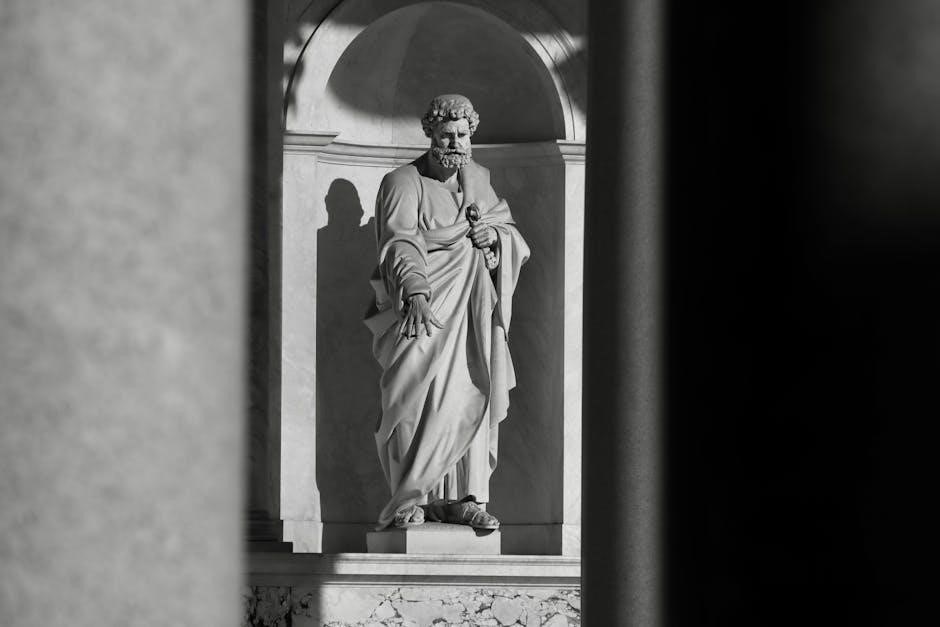
Seneca’s “De Brevitate Vitae” PDF offers timeless guidance. Applying his Stoic principles fosters inner peace‚ mindful living‚ and a focus on virtuous‚ meaningful actions daily.
Cultivating Inner Peace and Acceptance
Seneca’s “De Brevitate Vitae”‚ readily accessible as a PDF‚ profoundly emphasizes accepting what lies beyond our control. He argues that much of our anxiety stems from fretting over the inevitable – the past we cannot change and the future we cannot predict. True inner peace‚ according to Seneca‚ isn’t about eliminating hardship‚ but about altering our relationship to it.
The text encourages a detachment from external circumstances. We often equate happiness with possessions‚ reputation‚ or the approval of others‚ making ourselves vulnerable to disappointment. Seneca advocates for focusing on cultivating inner virtue – wisdom‚ justice‚ courage‚ and temperance – as these are the only things truly within our power.
By recognizing the fleeting nature of life‚ as detailed in the PDF‚ we can learn to appreciate the present moment. This isn’t about passive resignation‚ but about actively choosing to live each day with intention and gratitude. Acceptance doesn’t mean liking everything that happens; it means acknowledging reality without resistance‚ freeing us to respond with reason and equanimity. Ultimately‚ Seneca suggests‚ a tranquil life isn’t a long life‚ but a well-lived one.
Prioritizing Meaningful Experiences
Seneca’s “De Brevitate Vitae”‚ often found as a convenient PDF download‚ relentlessly critiques the pursuit of superficial pleasures and empty busyness. He argues that many people don’t actually live a full life; they merely exist through it‚ squandering their time on trivial pursuits and the opinions of others. The core message centers on recognizing that life isn’t measured in years‚ but in the quality of experiences.
The PDF highlights Seneca’s call to prioritize activities that nourish the soul and contribute to personal growth. This means engaging in intellectual pursuits‚ cultivating meaningful relationships‚ and practicing virtue. He urges readers to reject the allure of fleeting sensations and instead focus on lasting values.
Seneca believed that true wealth lies not in material possessions‚ but in inner richness. By consciously choosing experiences that align with our values‚ we imbue our lives with purpose and significance. This isn’t about avoiding all enjoyment‚ but about discerning between what truly matters and what is merely distracting. The treatise‚ available as a PDF‚ serves as a potent reminder to live deliberately and make each moment count.
The Importance of Self-Reflection and Virtue
Seneca’s “De Brevitate Vitae”‚ readily accessible as a PDF‚ emphasizes that a life well-lived isn’t about avoiding death‚ but about preparing for it. This preparation isn’t merely logistical; it’s deeply moral and philosophical. Central to this is consistent self-reflection – a rigorous examination of one’s thoughts‚ actions‚ and motivations.
The PDF reveals Seneca’s conviction that virtue is the sole good‚ and vice the sole evil. External circumstances – wealth‚ health‚ reputation – are indifferent; they hold no intrinsic value. True happiness‚ therefore‚ isn’t found in acquiring these things‚ but in cultivating inner excellence.
Seneca advocates for daily introspection‚ urging readers to confront their flaws and strive for continuous improvement. This isn’t a process of self-flagellation‚ but one of honest assessment and deliberate correction. By aligning our actions with virtuous principles – wisdom‚ justice‚ courage‚ and temperance – we create a life of meaning and resilience. The PDF serves as a guide to this internal work‚ prompting us to live authentically and with purpose.
Seneca’s Influence and Legacy
Seneca’s writings‚ including the widely-distributed “De Brevitate Vitae” PDF‚ profoundly impacted subsequent philosophers and continue to resonate today with readers seeking wisdom.
Impact on Subsequent Philosophers
Seneca’s “De Brevitate Vitae‚” readily accessible as a PDF‚ exerted a considerable influence on the development of philosophical thought following his era. His articulation of Stoic principles‚ particularly concerning time management and the acceptance of mortality‚ deeply resonated with later thinkers.
Renaissance humanists‚ rediscovering classical texts‚ found in Seneca a compelling voice advocating for a virtuous life focused on inner resilience. Figures like Michel de Montaigne directly engaged with Seneca’s essays‚ incorporating his ideas into their own explorations of selfhood and the human condition. The emphasis on practical ethics‚ rather than abstract metaphysics‚ proved particularly appealing.
Furthermore‚ Seneca’s letters‚ often studied alongside the “De Brevitate Vitae” PDF‚ provided a model for epistolary philosophical discourse. His accessible style and focus on everyday concerns made Stoicism more approachable. Even later philosophers‚ such as Schopenhauer‚ acknowledged a debt to Seneca’s pessimistic yet ultimately hopeful outlook on life‚ finding echoes of his thought in their own work. The enduring popularity of the PDF version ensures continued engagement with his ideas.
Relevance of “On the Shortness of Life” Today
Despite being penned nearly two millennia ago‚ Seneca’s “De Brevitate Vitae‚” easily found as a PDF‚ maintains remarkable relevance in the 21st century. Its core message – that life isn’t short‚ but we waste it – resonates profoundly in our hyper-connected‚ relentlessly busy world.
The modern obsession with productivity and future planning‚ ironically‚ often leads to a diminished experience of the present moment‚ mirroring Seneca’s critique of those who postpone living. The accessibility of the text as a PDF allows for widespread engagement with his timeless wisdom.
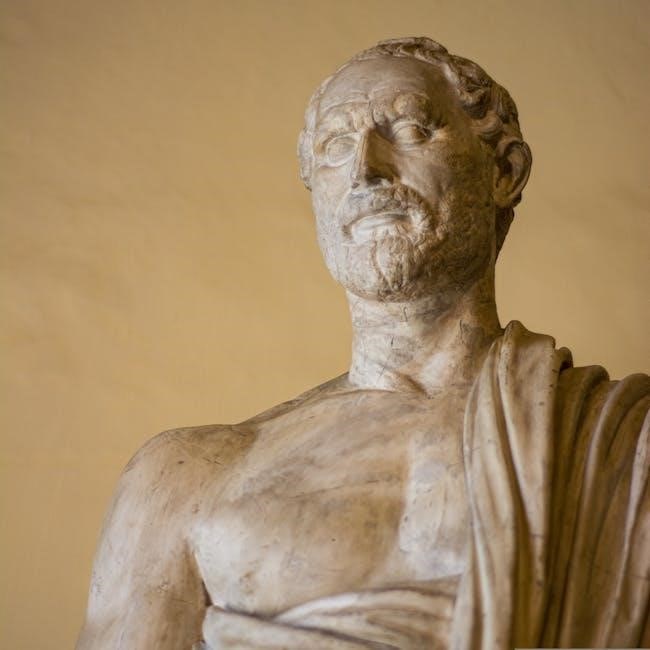
In an age of constant distraction and information overload‚ Seneca’s call for focused attention and mindful living offers a powerful antidote. His emphasis on prioritizing meaningful experiences over superficial pursuits provides a valuable framework for navigating the complexities of modern life. The enduring appeal of the PDF version demonstrates a continuing need for his guidance on living a fulfilling life‚ despite its brevity.
Criticisms and Interpretations of Seneca’s Work
Seneca’s writings‚ including “On the Shortness of Life” readily available as a PDF‚ have faced scrutiny regarding the consistency between his philosophical teachings and his own life‚ particularly his wealth and political involvement under Nero. Critics point to a perceived hypocrisy‚ questioning the sincerity of his Stoic ideals.
Interpretations vary; some view Seneca as a pragmatic philosopher adapting Stoicism to the realities of Roman power‚ while others see him as a flawed individual struggling to live up to his own principles. The accessibility of the PDF format has fueled ongoing scholarly debate.
Furthermore‚ the text’s focus on individual responsibility has been challenged by those emphasizing systemic factors influencing well-being. Despite these criticisms‚ Seneca’s work continues to be analyzed for its psychological insights and enduring relevance. The widespread availability of the PDF ensures continued engagement with these complex interpretations.


Be the first to reply